

Therapy in Dallas
Your Nervous System Can Learn To Feel Safe Again
We combine evidence-based therapy with body-centered approaches that help calm your nervous system so you can finally feel safe, connected, and in control again.
Free 20 minute call - same-day available
You may be living with trauma if…
✓ You feel constantly on edge, even when nothing is wrong
✓ You overreact, shut down, or numb out in relationships
✓ Sleep feels unsafe or exhausting
✓ You struggle with flashbacks, panic, or emotional triggers
✓ You understand your past… but your body still reacts
There is a way to feel better.
Trauma therapy helps your body release the stress and emotional patterns it’s been holding — so you can finally feel calm, grounded, and present again.
Why Traditional Talk Therapy Isn’t Always Enough
Trauma is not just remembered by the mind—it’s stored in the nervous system, muscles, breath, and survival responses. Somatic trauma therapy helps your body learn safety again.
You can understand your problems… and still feel stuck.
That’s because stress and trauma don’t just live in your mind — they live in your body.
Trauma therapy helps bridge that gap by working directly with your body’s responses, not just your thoughts.
How the Body Holds Stress
Have you ever noticed:
- Tight shoulders that won’t relax
- A constant knot in your stomach
- A racing heart or shallow breathing
These aren’t random — they’re your body holding onto stress.
Over time, this can lead to anxiety, burnout, emotional reactivity, or feeling disconnected from yourself.
Trauma therapy helps you notice, understand, and safely release these patterns.
What Changes With Somatic Trauma Therapy
This is where things begin to shift:
- You feel calmer and more grounded in your body
- Anxiety and reactivity start to decrease
- You become more present and clear
- Emotional responses feel more stable and manageable
- You reconnect with yourself in a deeper way
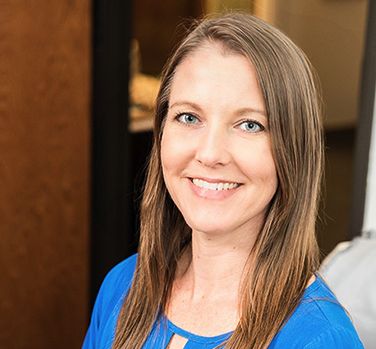
Meet Ashley Ray, LCSW-S, CCTP
- 20+ years clinical experience
- Certified Clinical Trauma Professional
- Former crisis intervention leader
- Integrates clinical psychology + somatic + trauma-informed yoga
Therapy You Can Measure. Results You Can Feel.

Progress tracking
Calm the nervous system and increase safety.

Personalized care
Your plan is tailored to your unique needs and goals.

Better outcomes
Evidence-based body-centered care for lasting change.
How Somatic Trauma Therapy Helps
Life can feel overwhelming, especially when stress, trauma, or past experiences stay stuck in your body. If you feel disconnected, tense, or unable to move forward, you’re not alone.
Trauma therapy goes beyond talking — it helps you listen to your body, release tension, and restore balance so real change can happen.
What is Trauma Therapy?
Somatic trauma therapy is a holistic approach that connects the mind and body to support healing.
Instead of focusing only on thoughts, it works with physical sensations, tension, and nervous system patterns — helping you release what your body has been holding.


What to Expect in a Session
Sessions are gentle, supportive, and tailored to you.
You may experience:
- Mindful breathing
- Body awareness exercises
- Gentle movement
- Guided exploration of physical sensations
You won’t be pushed to relive trauma.
Instead, you’ll learn to listen to your body safely and at your own pace, allowing healing to happen naturally.
A Personalized Approach to Healing
At AUM Integral Wellness, there’s no one-size-fits-all process.
Your therapist will:
- Understand your unique challenges
- Create a plan that fits you
- Support you step-by-step in a safe, compassionate environment
You deserve to feel heard, supported, and understood.
Therapy You Can Measure. Results You Can Feel.
Fewer than 5% of therapists use measurement-based care — a research-backed approach that tracks your progress session by session.
This leads to:
- More personalized treatment
- Faster improvement
- Better overall outcomes
Take the First Step Toward Feeling Like Yourself Again
Healing is possible — and it starts with one conversation.
50+
5-star Google Reviews

Trusted by clients
across Dallas
Professional &
Experienced Therapists
FAQs
Can trauma be stored in the body?
Yes. Trauma can affect both the mind and body. Many people experience physical symptoms such as chronic tension, fatigue, headaches, digestive issues, trouble sleeping, or a constant feeling of stress and overwhelm after difficult experiences. Trauma therapy helps address the emotional and physical effects of trauma by helping the nervous system feel safer, more regulated, and more balanced over time.
What is the best therapy for childhood trauma?
The best therapy for childhood trauma depends on the individual, their experiences, and their goals. Many people benefit from approaches that address both emotional and physical responses to trauma, including somatic therapy, mindfulness-based therapy, trauma-informed counseling, EMDR, and nervous system regulation techniques. A personalized approach is often the most effective because trauma affects everyone differently.
Does trauma therapy help with PTSD and panic attacks?
Yes. Trauma therapy can help reduce symptoms associated with PTSD, panic attacks, anxiety, hypervigilance, emotional overwhelm, and chronic stress. Therapy works by helping individuals process unresolved experiences, develop healthier coping tools, and calm the body’s stress response. Over time, many people experience improved emotional regulation, better sleep, fewer panic symptoms, and a greater sense of safety and control.
What if regular talk therapy hasn’t worked?
Many people find that traditional talk therapy alone does not fully address trauma because trauma is often stored in the nervous system and body, not just in thoughts or memories. Trauma-informed therapies that include body awareness, mindfulness, somatic techniques, and nervous system regulation may help people access healing in a different way. If previous therapy approaches have not provided lasting relief, a more holistic trauma-focused approach may be beneficial.

Dallas, TX 75231
© 2026 – AUM Integral Wellness