
You know those nights when your body feels like it’s begging for rest, but your mind refuses to slow down? Maybe you’ve tried the herbal teas, the deep breathing, the blackout curtains — yet, as soon as you close your eyes, the memories, the tension, or that unshakable heaviness creeps in again.
If this sounds familiar, you’re not alone. Many people living with long-term sleep disorders and fatigue are not just battling poor sleep habits. They’re carrying the invisible weight of unresolved trauma stored deep within their bodies. And this is where trauma massage, guided by a trauma therapy specialist in Dallas, can make an extraordinary difference.
Understanding the Link Between Trauma and Sleeplessness
When you experience trauma — whether it’s from an accident, emotional neglect, grief, or chronic stress — your nervous system doesn’t just “move on.” It stays alert, trapped in a loop of survival. This means your body keeps preparing for danger that no longer exists.
Over time, this constant state of vigilance disrupts your natural sleep cycles. You may experience:
- Racing thoughts at night
- Sudden body jolts when trying to fall asleep
- Chronic fatigue even after hours in bed
- Restlessness or nightmares
This isn’t just mental exhaustion. It’s your body’s protective system stuck in overdrive. Trauma changes the way your body feels safe and without that sense of safety, deep rest becomes almost impossible.
What Happens in a Trauma Massage
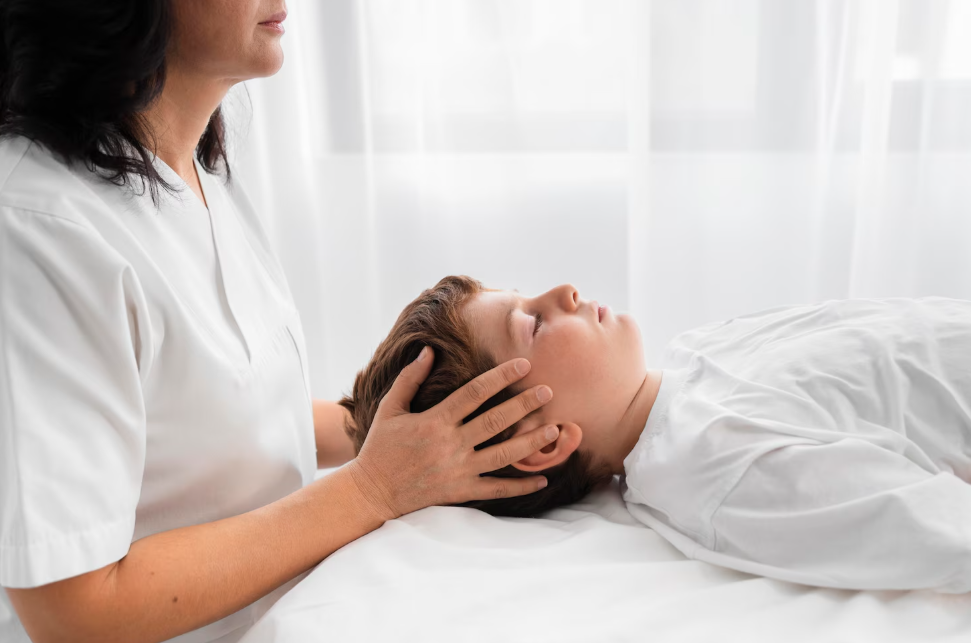
A trauma massage isn’t your typical relaxation massage. It’s a deeply mindful, therapeutic experience designed to help your body release the physical tension linked to emotional pain. The approach is gentle, patient, and guided entirely by your comfort and boundaries.
Here’s how it works:
- Safety First – Your trauma therapy specialist creates a space where you feel completely in control. You set the pace, and your comfort determines everything.
- Mind-Body Reconnection – Through intentional touch and grounding techniques, the therapist helps your body start communicating with your mind again. You begin to sense where you’ve been holding tension or emotional pain.
- Nervous System Reset – As your body releases stored stress, your parasympathetic nervous system (your “rest and digest” mode) activates. This gentle shift signals to your body that it’s safe to relax.
- Restoration and Sleep – Over time, many people notice deeper, more restorative sleep, reduced fatigue, and a greater sense of calm during the day.
It’s not about “fixing” you, it’s about helping your body remember how to rest again.
The Science Behind Healing Touch
Modern research supports what many trauma therapy specialists have known intuitively: trauma is stored in the body. Massage can help regulate cortisol (the stress hormone), increase serotonin and dopamine, and calm the vagus nerve — the key player in restoring emotional balance and sleep regulation.
By working through these physiological pathways, trauma massage creates measurable changes in how your body processes stress. With consistency, your nights can begin to feel different — not like a battle, but a gentle invitation to surrender to rest.
Why Fatigue Feels Endless and How Trauma Massage Breaks the Cycle
Chronic fatigue often feels like walking through life with your energy stuck on a low battery. You might be doing everything “right” — eating well, exercising, even meditating — but still waking up drained. That’s because trauma-based fatigue doesn’t come from lack of sleep alone. It comes from your nervous system constantly fighting unseen battles.
A trauma massage session doesn’t just help you relax for an hour; it helps retrain your body to switch out of the survival mode that keeps burning through your energy. With regular sessions, your system begins to trust that it’s safe enough to rest — and real healing becomes possible.
Healing Is Not Linear But It’s Worth It
Progress with trauma healing and sleep recovery is rarely a straight line. Some days you’ll feel lighter, others might bring up old emotions. But each session helps your body find its way home again toward peace, safety, and rest.
You don’t need to face this alone. If your nights have felt endless and your days are heavy with fatigue, this may be your body’s quiet call for help.
In Closing:
At AUM Integral Wellness, our trauma therapy specialists understand that healing starts with safety and compassion, not pressure. Every trauma massage is tailored to your unique story, honoring your pace and boundaries.
Maybe it’s time to give your body the care it’s been silently asking for — to stop just surviving and start resting again.
Your first step doesn’t need to be big. It can simply be a conversation.
We offer free phone consultations, so you can ask questions, share your concerns, and feel what it’s like to be truly heard before you begin.
Let’s help your body remember what deep rest feels like.
Call us today — because you deserve to wake up feeling whole.
FAQs
- How does trauma massage help with sleep disorders?
Trauma massage calms the nervous system, releases stored tension, and helps the body feel safe enough to enter deep restorative sleep.
- Can trauma massage reduce chronic fatigue?
Yes, it restores balance to the nervous system, releases emotional stress, and helps your body recover natural energy and vitality over time.
- What makes trauma massage different from regular massage?
Trauma massage is slower, more mindful, and guided by emotional safety, focusing on nervous system healing rather than muscle relaxation alone.
- How many trauma massage sessions are needed for better sleep?
It varies per person, but consistent sessions over several weeks often bring noticeable improvements in sleep quality and emotional calmness.
- Can trauma massage be part of overall trauma therapy?
Absolutely. When integrated with guidance from a trauma therapy specialist, it supports emotional release, body awareness, and long-term trauma recovery.
Recent Comments